
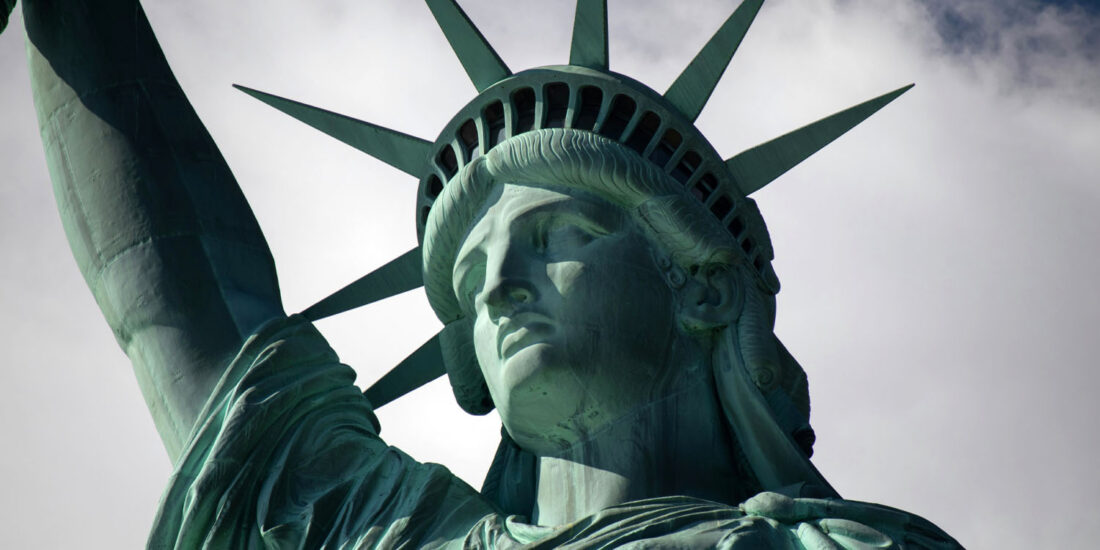
The year 2026 marks 250 years since the Second Continental Congress adopted the Declaration of Independence of the United States on July 4, 1776. France has been a staunch ally of the US for most of the intervening years, being the first country to recognise American independence, and, in 1778, to sign an alliance with the fledgling country. The impact of the American Revolution against the external rule of the English king, and the subsequent French Revolution against domestic royal tyranny, has done much to shape the nature of principles of governance, both domestic and international. The US was to serve as a ‘shining city on a hill’ – an inspiration for other oppressed peoples, while the Liberté, Égalité, Fraternité motto of the French Revolution and Republic has served as a similar source of inspiration. Importantly, both countries were supportive of each other's revolutions. Yet this 250th anniversary is as much cautionary as it is celebratory.
Are the domestic and international governance principles that made the US a shining city on a hill a thing of the past? The second administration of President Donald Trump has been linked to populist and authoritarian forces that undermine democracy. US unilateralism has led to the demise of the liberal international order, which it did so much to create. While the US and France, jointly and separately, have done much to promote multinationalism, such cooperation is now imperilled. Are we witnessing the end of 250 years of normative leadership by the US? What, if anything, can replace US abdication in an era of contestation and disorder? This session recognizes the unique contributions of the US to domestic and international governance norms, the importance of its partnership with France, as well as challenges to the liberal international order, some of which originate from its greatest champion.
Read presenters' biographies