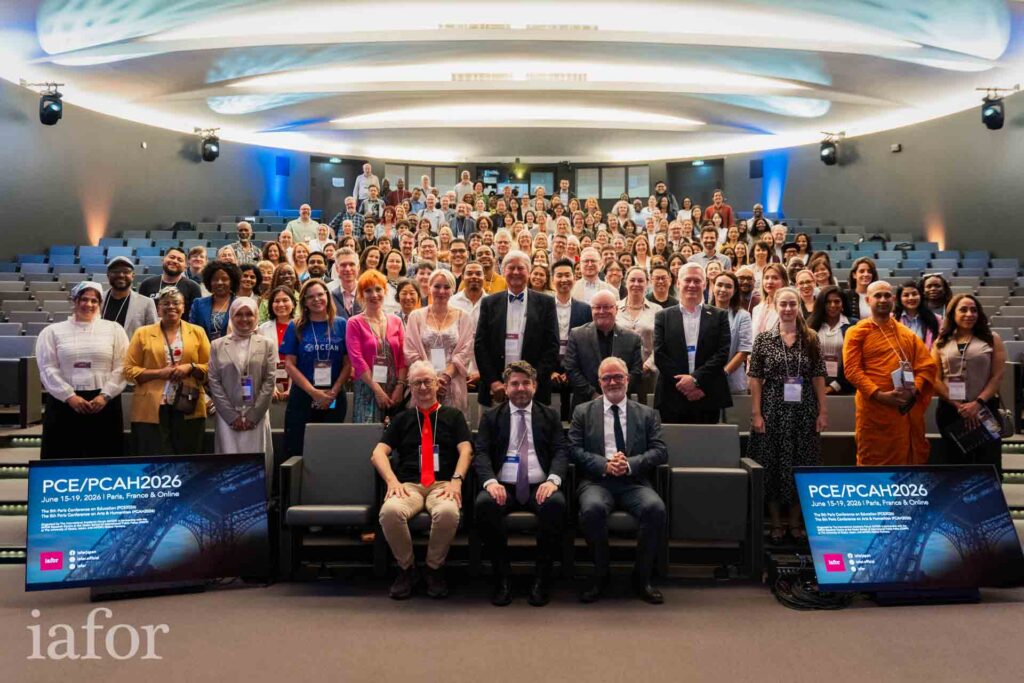
PCAH2026 Overview


Join us in Paris (and online) for PCAH2026!

June 15-19, 2026 | Sorbonne University International Conference Center (CICSU), Paris, France (& Online)

The-Paris-Conference-on-Education-PCE2022-Eiffel-TowerBienvenue à Paris!

Paris has always been a city driven by strident ideas, where discussions and debates are lively, open and frequently heated, overspilling into protests, strikes and even revolution. As such, the French capital is among the world’s most important cultural and intellectual centers, and a city of great history and energy.

“Liberty, equality and fraternity” was the 18th century revolutionary call to arms and battle cry that was soon adopted and institutionalised, as the driving motto behind a new country that would throw off the shackles of absolutist aristocratic rule and commit to a new future for the country, based on enlightenment ideals and new understandings. These would have enormous ramifications within France and beyond as the concepts of liberty, equality and fraternity have spread around the world as a slogan, philosophy, aesthetic and political goal. During this period of revolution violence and competing ideologies, radical ideas and ideals around meritocracy and democracy emerged and were implemented in ways that still influence today, from the study, practice and policies of education, and the heuristic that education is for all, to artistic, design, and cultural production.

Over the course of its history, Paris has been the venue for real and intellectual battles over ideas, ideals and ideologies; between conservative and reformist, secular and religious, multicultural and national, East and West, and all shades of left and right. The French educational system and its fiercely independent, highly vocal, and hugely influential teachers and lecturers are always at the centre of national and indeed international politics and policy. Added to this vigorous public intellectual arena are politicians, writers, journalists, artists, and filmmakers, each bringing a wide variety of perspectives and experience.

What resonates globally, and in this time of globalisation is the openness and rigour of the debates in Paris, and which underlines the continued relevance of this open intellectual space, when in many other places around the world ideas are stifled or banned, any form of opposition is dangerous, and open discussion can be seditious. Paris, city of light, therefore has an enormous and special intellectual place in the heart of all educators and free thinkers regardless of nationality, and especially in today’s uncertain global social-political context.

We look forward to seeing you again, and to your active participation in the event.

PCAH2026 will be held alongside The Paris Conference on Education (PCE2026). Registration for either conference will allow delegates to attend sessions in the other.

The PCAH2026 Programme Committee

Key Information
  • Venue & Location: Sorbonne University International Conference Center (CICSU), Paris, France
  • Dates: Monday, June 15, 2026 ​to Friday, June 19, 2026
  • Early Bird Abstract Submission Deadline: January 15, 2026*
  • Final Abstract Submission Deadline: March 20, 2026
  • Registration Deadline for Presenters: April 30, 2026

*Submit early to take advantage of the discounted registration rates. Learn more about our registration options.

Back to Top


Speakers

To be announced

  • Paolo Benanti
    Paolo Benanti
    Pontifical Gregorian University, Italy
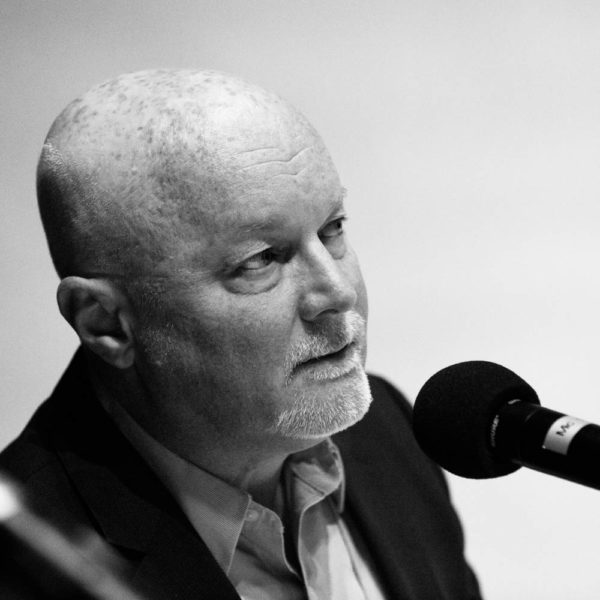
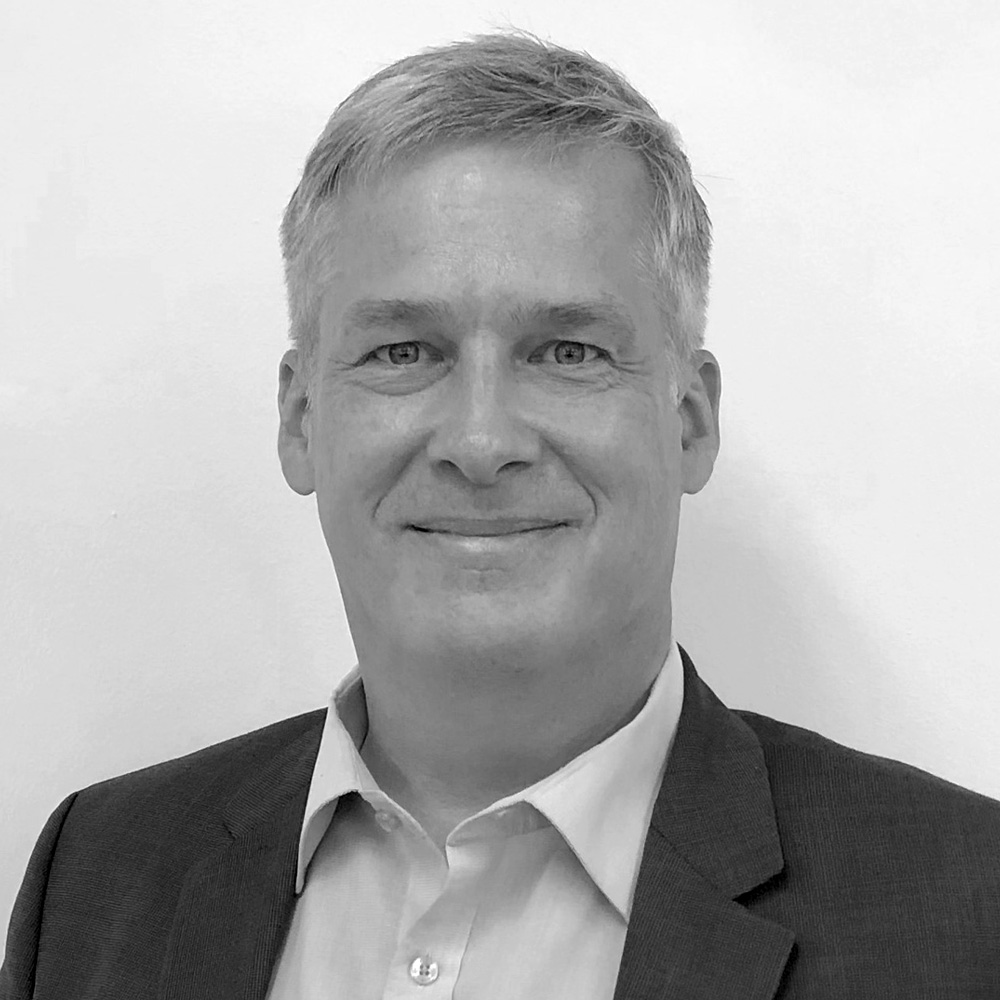
  • Donald E. Hall
    Donald E. Hall
    Binghamton University, United States
  • Brendan Howe
    Brendan Howe
    Ewha Womans University, South Korea
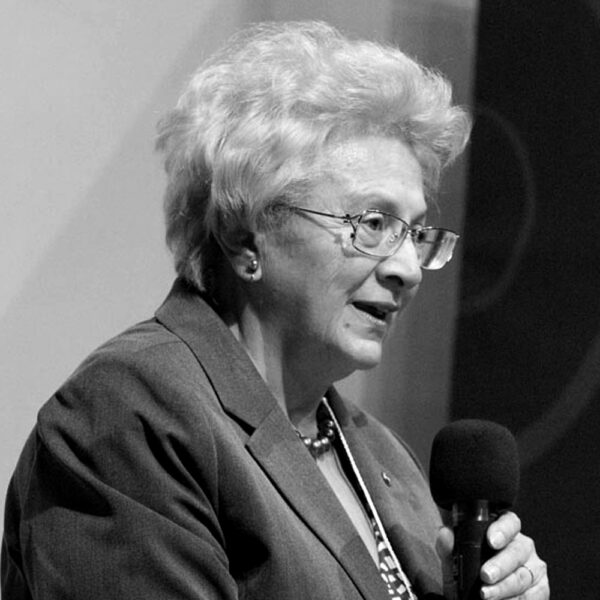
  • Ljiljana Markovic
    Ljiljana Markovic
    European Centre for Peace and Development (ECPD), Serbia

Back to Top


Programme

To be announced

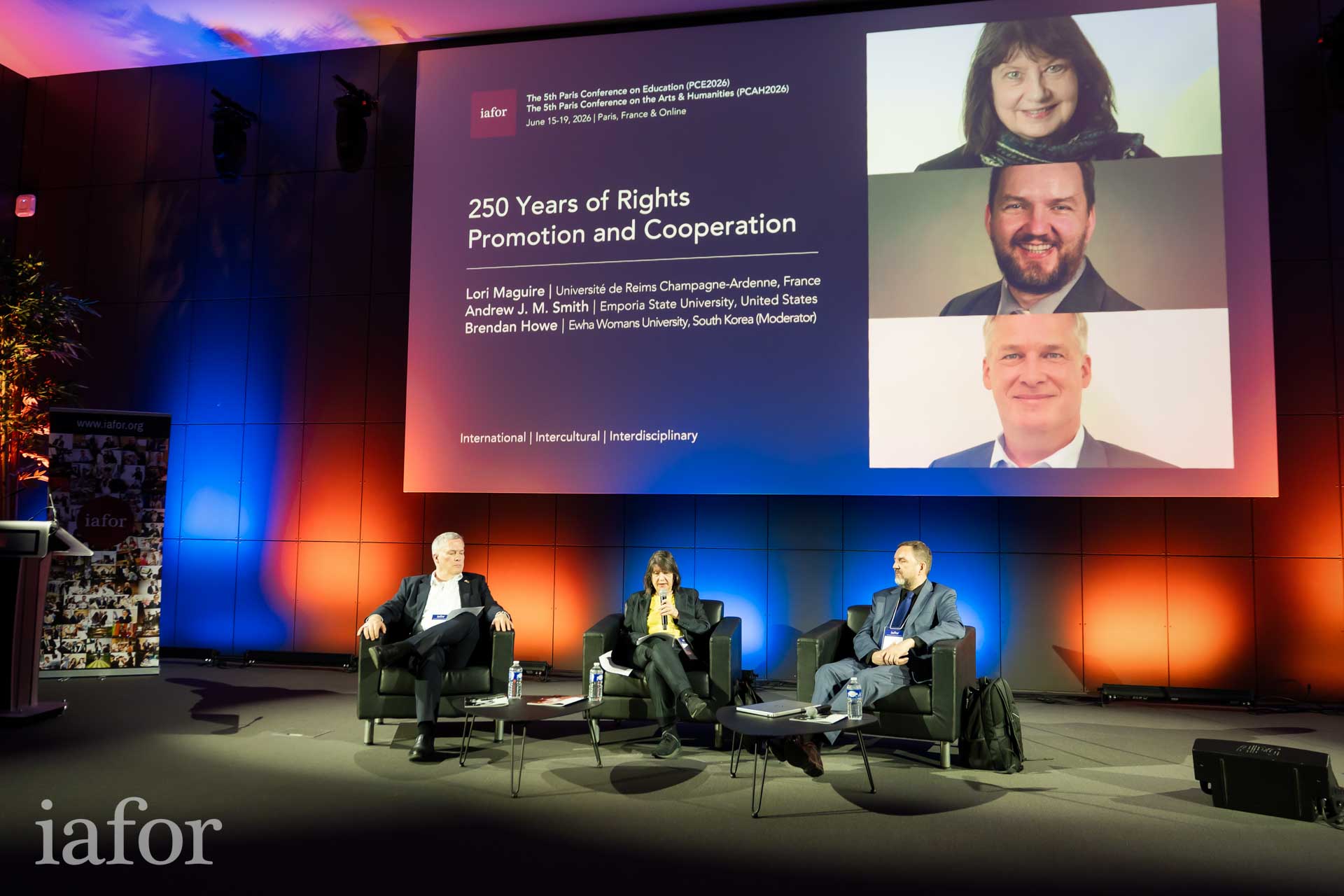
  • 250 Years of Rights Promotion and Cooperation
    250 Years of Rights Promotion and Cooperation
    Discussion Panel: Brendan Howe

Back to Top


Conference Committees


The International Academic Board (IAB)

Professor Anne Boddington, IAFOR, Japan (IAB Chair)
Dr Joseph Haldane, IAFOR & The University of Osaka, Japan, & University College London, United Kingdom
Professor Jun Arima, IAFOR & The University of Tokyo, Japan
Professor Virgil Hawkins, IAFOR Research Centre & The University of Osaka, Japan
Mr Lowell Sheppard, IAFOR & Never Too Late Academy, Japan

Professor Umberto Ansaldo, VinUniversity, Vietnam
Dr Susana Barreto, University of Porto, Portugal
Professor Grant Black, Chuo University, Japan
Dr Evangelia Chrysikou, Bartlett School of Sustainable Construction, University College London, United Kingdom
Professor Donald E. Hall, Binghamton University, United States
Professor Brendan Howe, Ewha Womans University, South Korea & The Asian Political and International Studies Association (APISA)
Dr James W. McNally, University of Michigan, United States & NACDA Program on Aging


Conference Programme Committee

Dr Daniel Baker, Independent Scholar, Paris
Professor Grant Black, Chuo University, Japan
Professor Georges Depeyrot, Centre National de Recherche Scientifique (CNRS), France
Dr Amir Dhia, Education Above All Foundation, Qatar
Dr Charlotte Faucher, University of Bristol, United Kingdom
Dr Joseph Haldane, The International Academic Forum, Japan
Professor Ljiljana Markovic, European Center for Peace and Development (ECPD), United Nations University for Peace, Serbia
Professor Nourreddine Menyani, École Normale Supérieure de Meknès, Morocco
Ambassador Paolo Sabbatini, World Sinology Center, China

Conference Programme Committees (CPC) are formed as generative bodies, reflecting upon the academic themes identified by the International Academic Board (IAB) and generating the academic programme for the conference(s) they are assigned to, by applying the IAFOR Themes to a given location.

To join the PCAH Conference Programme Committee, send your CV and a brief Letter of Motivation, describing why the committee should consider your application, via the below application form:


The International Academic College (IAC)

Dr Hasan Al-Wadi, University of Bahrain, Bahrain
Dr Shamim Ali, Riphah International University, Pakistan
Professor Umberto Ansaldo, VinUniversity, Vietnam
Professor Shingo Ashizawa, Kansai University of International Studies, Japan
Dr Brian Aycock, International Christian University, Japan
Professor William Baber, Kyoto University Graduate School of Management, Japan
Professor Emeritus Sue Ballyn, University of Barcelona, Spain
Ms Keiko Bang, Bang Singapore Pte Ltd, Singapore
Professor Geoff Beattie, Edge Hill University, United Kingdom
Professor Denis Binder, Chapman University, United States
Dr Sarah Louisa Birchley, Toyo Gakuen University, Japan
Dr Holger Briel, Beijing Normal University-Hong Kong Baptist University United International College, China
Mr James Joseph Briganti, Michigan State University, United States
Professor Bruce Brown, Royal College of Art, United Kingdom
Lord Charles Bruce, Japan Society of Scotland, United Kingdom
Dr Eddie Bruce-Jones, SOAS, University of London, United Kingdom
Professor Chung-Ying Cheng, University of Hawai’i at Manoa, United States
Distinguished Professor Tien-Hui Chiang, Zhengzhou University, China
Mr Marcus Chidgey, Founder & CEO at Loqiva, United Kingdom
Dr George D. Chryssides, University of Birmingham, United Kingdom
Dr Christine Coombe, Dubai Men’s College, United Arab Emirates
Professor Melinda Cowart, Texas Woman’s University, United States
Professor Georges Depeyrot, French National Center for Scientific Research, France
Professor Jean-Marc Dewaele, Birkbeck, University of London, United Kingdom
Professor Tatiana Dobrosklonskaya, Lomonosov Moscow State University, Russia
Dr Richard Donovan, Kansai University, Japan
Dr Murielle El Hajj Nahas, Lusail University, Qatar
Professor John Nguyet Erni, Hong Kong Baptist University, Hong Kong
Professor Said M. Faiq, American University of Sharjah, United Arab Emirates
Dr William C. Frick, University of Oklahoma, United States
Dr Alfonso J. García Osuna, Hofstra University & The City University of New York, United States
Professor Gerard Goggin, Nanyang Technological University, Singapore
Dr Fernando Darío González Grueso, Tamkang University, Taiwan
Professor Stephen J. Hall, Sunway University, Malaysia
Dr June Henton, Auburn University, United States
Mr Harry Hill, Japan United States Friendship Commission (JUSFC), Japan
Dr Rodney F. Hill, Hofstra University, United States
Dr Tamsin Hinton-Smith, University of Sussex, United Kingdom
Professor Curtis Ho, University of Hawai’i at Manoa, United States
Dr Daniel Hoffman, University of Hawaii at Manoa, United States
His Excellency Professor Toshiya Hoshino, UN Inspectorate General, Immediate Past President of IAFOR, and former Japanese Ambassador to the UN
Professor Tom Houghton, Curtin University, Australia
Professor Brendan Howe, Ewha Womans University & The Asian Political and International Studies Association (APISA), South Korea
Professor Kay Irie, Gakushuin University, Japan
Professor Hiroshi Ishida, University of Tokyo, Japan
Dr Maxime Jaffré, United Arab Emirates University, United Arab Emirates
Mr Matthew Kay, Nature Publishing, United Kingdom
Mr Michael Liam Kedzlie, Barrister and Solicitor of the High Court of New Zealand, New Zealand
Mr Daniel Kjellsson, Future Talent Council, Sweden
Dr Yukinori Komine, Harvard University, United States
Dr Rachel Lam, Independent Consultant, Salt Lake City, Utah, United States
Dr Celia Lam, University of Nottingham Ningbo China, China
Ms Fan Li, LePing Social Entrepreneur Foundation & Stanford Social Innovation Review (SSIR), China
Dr Tzu-Bin Lin, National Taiwan Normal University, Taiwan
Professor Robert Logie, Osaka Gakuin University, Japan
Dr Jacqueline Lottin, Higher Colleges of Technology, United Arab Emirates
Professor Craig Mark, Kyoritsu Women's University, Japan
Professor Ljiljana Marković, European Centre for Peace and Development (ECPD), Serbia
Dr Yvonne Masters, Independent Researcher, Australia
Professor José McClanahan, Creighton University, United States
Professor Dennis McInerney, Hong Kong Institute of Education, Hong Kong
Professor David McLoughlin, Meiji University, Japan
Dr Michael Menchaca, University of Hawaii at Manoa, United States
Professor Keith W. Miller, University of Missouri, United States
Dr Alyson Miller, Deakin University, Australia
Dr Yutaka Mino, Hyogo Prefectural Museum of Art, Japan
Professor Kuniko Miyanaga, Human Potential Institute, Japan
Professor Johannes Moenius, University of Redlands, United States
Professor Joshua Ka Ho Mok, Lingnan University, Hong Kong
Dr Bernard Montoneri, Independent Researcher, Taiwan
Professor Thomas Brian Mooney, Charles Darwin University, Australia
Dr Amanda Müller, Flinders University, Australia
Dr Jo Mynard, Kanda University of International Studies, Japan
Ms Karen Newby, Par les mots solidaires, France
Dr Cynthia Northington-Purdie, Hunter College (CUNY), United States
Dr Keiichi Ogawa, Kobe University, Japan
Professor Mark Pegrum, The University of Western Australia, Australia
Dr Anemona Peres, European Border and Coast Guard Agency,
Dr Alexandru I. Petrisor, Ion Mincu University of Architecture and Urbanism, Romania
Dr Elena Raevskikh, Department of Culture and Tourism Abu Dhabi, United Arab Emirates
Dr Thanassis Rikakis, University of Southern California, United States
Professor Richard Roth, Medill School of Journalism, Northwestern University, United States
Dr James Rowlins, Singapore University of Technology and Design, Singapore
Dr Justin Sanders, Woven by Toyota, Japan
Dr Monty P. Satiadarma, Tarumanagara University, Indonesia
Dr Linda Schwartz, Ambrose University, Canada
Dr Shahrokh (Sharo) Shafaie, Southeast Missouri State University, United States
Dr Sharo Shafaie, Southeast Missouri State University, United States
Mr Lowell Sheppard, HOPE International Development Agency, Japan
Dr Jeffrey Sommers, University of Wisconsin-Milwaukee, United States
Dr Marcelo Staricoff, University of Sussex, United Kingdom
Dr Pearl Subban, Monash University, Australia
Professor Gary E. Swanson, University of Northern Colorado (fmr.), United States
Dr Amy Szarkowski, Harvard Medical School, United States
Professor Svetlana Ter-Minasova, Lomonosov Moscow State University, Russia
Dr Devayani Tirthali, Independent Researcher, India
Dr Brian Victoria, Oxford Centre for Buddhist Studies, United Kingdom
Dr Deborah G. Wooldridge, Bowling Green State University, United States
Dr Seiko Yasumoto, The University of Sydney, Australia
Dr Tingting Ying, University of Nottingham Ningbo China, China

Back to Top


Conference Review Committee

Dr Rachmie Sari Baso, Polytechnic Alkon Kalimantan Indonesia, Indonesia
Professor Manju Dhariwal, The LNM Institute of Information Technology, India
Dr Mafruha Ferdous, American International University-Baqngladesh, Bangladesh
Professor Rehab Hassaan, University of Nizwa, Oman
Dr Min-kai Hsiao, Quanzhou University of Information Engineering, China
Dr Kikue Kotani, Nihon University (retd), Japan
Professor Reena Mittal, D.A.K. Degree College, India
Professor Michael Owen, Brock University, Canada
Dr Catherine Phillips, Lakehead University, Canada
Dr Atthaphon Ponglawhapun, Chulalongkorn University, Thailand
Dr Mathew Martin Poothullil, University of Mumbai, India
Dr Rasiah Rasiah, Halu Oleo University, Indonesia
Dr Kumiko Tsuji, Northeastern University, United States
Dr Chayanika Uniyal, University of Delhi, India
Dr Nadine Zahreddine, Antonine University, Lebanon

Back to Top


IAFOR Research Centre (IRC) – “Innovation and Value Initiative”

The IAFOR Research Centre (IRC) is housed within the Osaka School of International Public Policy (OSIPP) at The University of Osaka, Japan. In 2018, the IRC officially launched an ambitious new Innovation and Value Initiative at the United Nations in a special UN-IAFOR Collaborative Session. The initiative seeks to bring together the best in interdisciplinary research around the concept of value, on how value can be recognised, and measured, and how this can help us address issues and solve problems, from the local to the global.
Back to Top

Paolo Benanti
Pontifical Gregorian University, Italy

Biography

TBA

Keynote Presentation (2026) | TBA
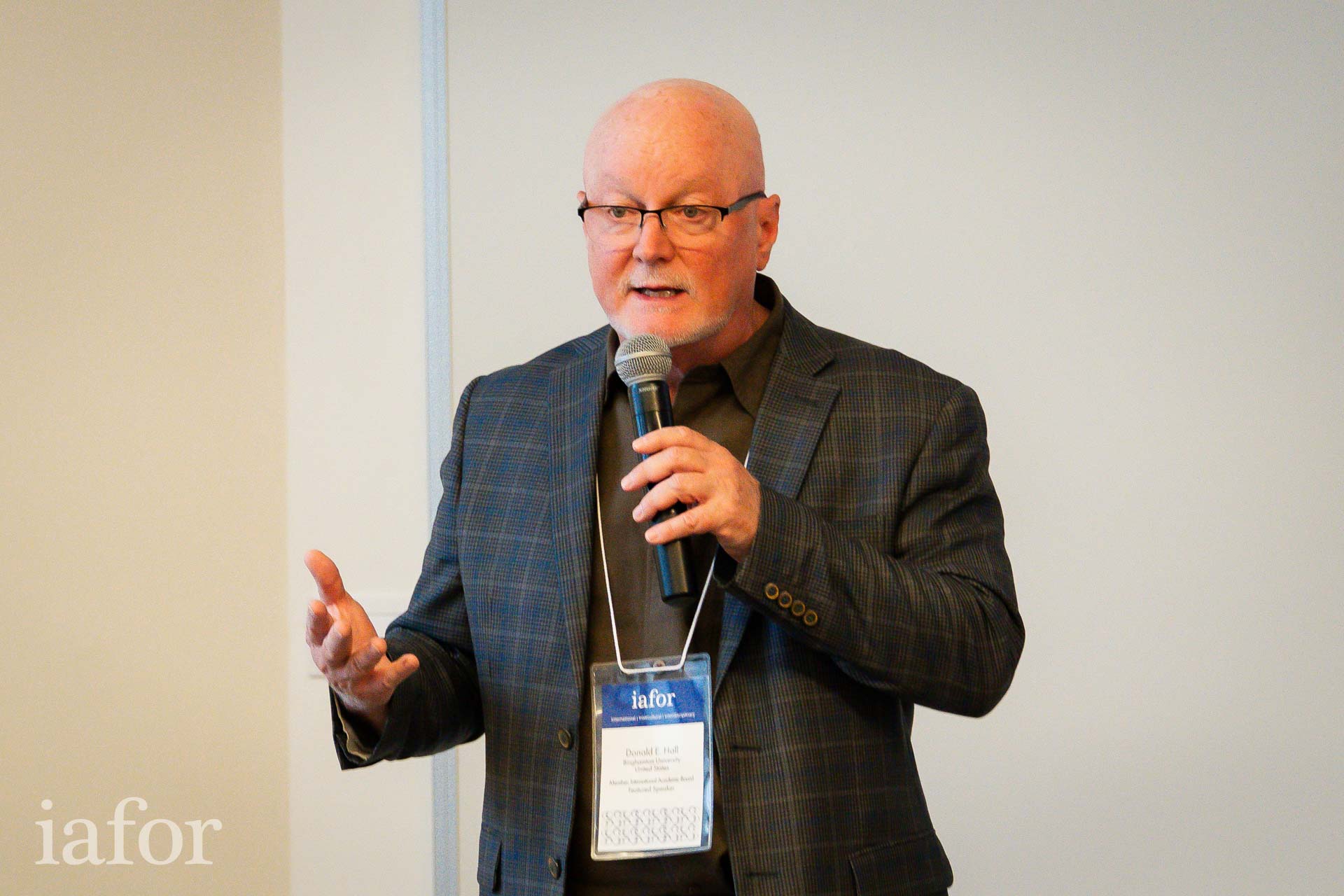
Donald E. Hall
Binghamton University, United States

Biography

Donald E. Hall is Provost and Executive Vice President for Academic Affairs at Binghamton University (SUNY), USA. He was formerly Dean of the Faculty of Arts, Sciences, and Engineering at the University of Rochester, USA, and held a previous position as Dean of Arts and Sciences at Lehigh University, USA. Provost Hall has published widely in the fields of British Studies, Gender Theory, Cultural Studies, and Professional Studies. Over the course of his career, he served as Jackson Distinguished Professor of English and Chair of the Department of English (and previously Chair of the Department of Foreign Languages) at West Virginia University. Before that, he was Professor of English and Chair of the Department of English at California State University, Northridge, where he taught for 13 years. He is a recipient of the University Distinguished Teaching Award at CSUN, was a visiting professor at the National University of Rwanda, was Lansdowne Distinguished Visiting Scholar at the University of Victoria (Canada), was Fulbright Distinguished Chair in Cultural Studies at Karl Franzens University in Graz, Austria, and was Fulbright Specialist at the University of Helsinki. He has also taught in Sweden, Romania, Hungary, and China. He served on numerous panels and committees for the Modern Language Association (MLA), including the Task Force on Evaluating Scholarship for Tenure and Promotion, and the Convention Program Committee. In 2012, he served as national President of the Association of Departments of English. From 2013-2017, he served on the Executive Council of the MLA.

His current and forthcoming work examines issues such as professional responsibility and academic community-building, the dialogics of social change and activist intellectualism, and the Victorian (and our continuing) interest in the deployment of instrumental agency over our social, vocational, and sexual selves. Among his many books and editions are the influential faculty development guides, The Academic Self and The Academic Community, both published by Ohio State University Press. Subjectivities and Reading Sexualities: Hermeneutic Theory and the Future of Queer Studies were both published by Routledge Press. Most recently he and Annamarie Jagose, of the University of Auckland, co-edited a volume titled The Routledge Queer Studies Reader. Though he is a full-time administrator, he continues to lecture worldwide on the value of a liberal arts education and the need for nurturing global competencies in students and interdisciplinary dialogue in and beyond the classroom.

Featured Roundtable (2026) | Senior Academic Leadership

Previous Presentations

Keynote Presentation (2023) | There is No New Normal
Brendan Howe
Ewha Womans University, South Korea

Biography

Dr Brendan Howe is Professor of the Graduate School of International Studies, Ewha Womans University, South Korea, where he has also served as Dean, Associate Dean, and Department Chair. He is the President of the Asian Political and International Studies Association (APISA), and has been elected to serve as the President of the World International Studies Committee from July, 2025. He is currently a Humboldt Foundation Research Fellow at Heidelberg University, Germany, from 2025 through 2026. He has held visiting professorships and research fellowships at the East-West Center as a POSCO Visiting Research Fellow (United States), the Freie Universität Berlin (Germany), De La Salle University (Philippines), The University of Sydney (Australia), Korea National Defence University (South Korea), Georgetown University (United States), Universiti Malaysia Sarawak (Malaysia), and Beijing Foreign Studies University (China).

Educated at the University of Oxford, the University of Kent at Canterbury (United Kingdom), Trinity College Dublin (Ireland), and Georgetown University (United States), his ongoing research agendas focus on traditional and non-traditional security in East Asia, human security, middle powers, public diplomacy, post-crisis development, comprehensive peacebuilding, and conflict transformation. He has authored, co-authored, or edited around 150 related publications, including Comprehensive Peacebuilding on the Korean Peninsula (Springer, 2023), Society and Democracy in South Korea and Indonesia (Palgrave, 2022), The Niche Diplomacy of Asian Middle Powers (Lexington Books, 2021), UN Governance: Peace and Human Security in Cambodia and Timor-Leste (Springer, 2020), Regional Cooperation for Peace and Development (Routledge, 2018), National Security, State Centricity, and Governance in East Asia (Springer, 2017), Peacekeeping and the Asia-Pacific (Brill, 2016), Democratic Governance in East Asia (Springer, 2015), Post-Conflict Development in East Asia (Ashgate, 2014), and The Protection and Promotion of Human Security in East Asia (Palgrave, 2013).

Discussion Panel (2026) | 250 Years of Rights Promotion and Cooperation
Ljiljana Markovic
European Centre for Peace and Development (ECPD), Serbia

Biography

Ljiljana Markovic is a Professor of Japanese Studies in the European Centre for Peace and Development (ECPD) of the United Nations University for Peace, and Special Advisor to the Executive Director and ECPD Academic Director. She is also a Visiting Professor at Toho University and Osaka University, Japan, and Gabriele d'Annunzio University, Italy.

Professor Markovic is the author of a large number of publications in the fields of Japanese Studies and Economics. She completed her bachelor’s and master's degrees at Cambridge University, United Kingdom, before pursuing her doctorate at Chuo University, Japan. For many years, she was a Professor at the Faculty of Philology at the University of Belgrade, Serbia, with terms as Dean (2016-2020) and Vice Dean of Financial Affairs (2008-2016). She has served as the Chairperson of the International Silk Road Academic Studies Symposium since 2017.

Professor Markovic received the Gaimu Daijin Sho Award from the Minister of Foreign Affairs of Japan in 2010. In the following year, she received the Dositej Obradovic Award for Pedagogical Achievement. Professor Markovic recent accolades include the Medal of Merit by the President of Serbia in 2020, the Isidora Sekulic Medal for Academic Achievement in 2021, and the Order of the Rising Sun (Gold Rays with Rosette) in 2022, an Imperial Decoration awarded by the Government of Japan for her "outstanding contribution to establishing and improving friendly relations with Japan”.

Workshop Presentation (2026) | Senior Academic Leadership

Previous Presentations

Workshop Presentation (2025) | Senior Academic Leadership
Panel Discussion (2024) | International and Interdisciplinary Perspectives on Global Citizenship in Times of Change and Crisis
250 Years of Rights Promotion and Cooperation
Discussion Panel: Brendan Howe

The year 2026 marks 250 years since the Second Continental Congress adopted the Declaration of Independence of the United States on July 4, 1776. France has been a staunch ally of the US for most of the intervening years, being the first country to recognise American independence, and, in 1778, to sign an alliance with the fledgling country. The impact of the American Revolution against the external rule of the English king, and the subsequent French Revolution against domestic royal tyranny, has done much to shape the nature of principles of governance, both domestic and international. The US was to serve as a ‘shining city on a hill’ – an inspiration for other oppressed peoples, while the Liberté, Égalité, Fraternité motto of the French Revolution and Republic has served as a similar source of inspiration. Importantly, both countries were supportive of each other's revolutions. Yet this 250th anniversary is as much cautionary as it is celebratory.

Are the domestic and international governance principles that made the US a shining city on a hill a thing of the past? The second administration of President Donald Trump has been linked to populist and authoritarian forces that undermine democracy. US unilateralism has led to the demise of the liberal international order, which it did so much to create. While the US and France, jointly and separately, have done much to promote multinationalism, such cooperation is now imperilled. Are we witnessing the end of 250 years of normative leadership by the US? What, if anything, can replace US abdication in an era of contestation and disorder? This session recognizes the unique contributions of the US to domestic and international governance norms, the importance of its partnership with France, as well as challenges to the liberal international order, some of which originate from its greatest champion.

Read presenters' biographies