
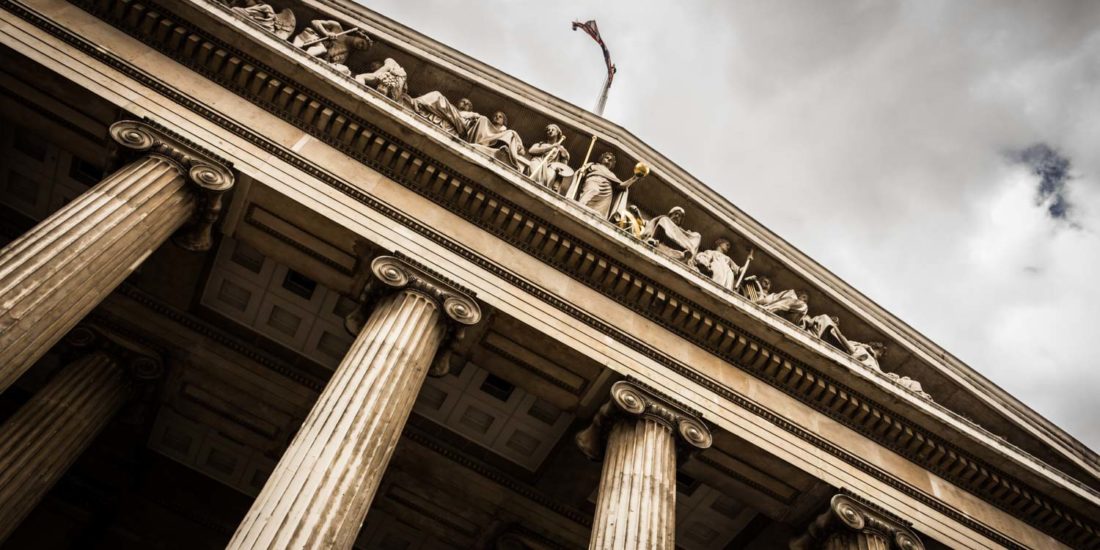
The modern museum is a product of a mania for collecting, cataloguing, documenting and archiving that reached its zenith during the nineteenth century, as the spoils of trade, conquest and colonisation began to pour back to the great European cities, and be housed in great palaces of culture and learning. Museums and galleries were places where the rich could show off with generous loans or donations as contributions towards the collective cultural wealth and prestige of the nation. These p(a)laces and their collections were recognized as of importance not just to the citizens of the countries, but to those overseas. Later this concept would be understood in the universalist language of world heritage.
Museums are unquestionably positive participants in the public good and in that of education and arts. However, how and what is presented is subject to increased questioning. A lot of what is now housed in museums is effectively the result of theft, plunder, or unfair contracts, or of dubious provenance. From colonial wars, through genocide and plunder, these great objects often hide problematic or dirty pasts. If this is the case, then what are the political, ethical and issues surrounding the righting of past wrongs, and of return of items, and how should their stories shape the positioning or works and our appreciation of them?
Read presenter biographies